Author: Admin

  • Cambridge IELTS 10 Listening Test 3

    Section 1Questions 1-10

    Complete the notes below.

    Write NO MORE THAN TWO WORDS AND/OR A NUMBER for each answer.

    Early Learning Children Centre Enrolment Form

    Example
    Parent or guardian: ……………Carol Smith…………….
    Personal details:
    Child’s name: Kate
    Age: (1) ………………………………………………….
    Address: (2) …………………………………………………. Road, Woodside 4032
    Phone: 33459865
    Childcare information
    Days enrolled for: Monday and (3) ………………………………………………….
    Start time: (4)…………………………………………………. am
    Childcare group: the (5)…………………………………………………. group
    Which meals are required each day? ………………………………………………….(6) 
    Medical conditions: need ………………………………………………….(7) 
    Emergency contact: Jenny ………………………………………………….(8) 
    Relationship to child: ………………………………………………….(9) 
    Fees
    Will pay each ………………………………………………….(10) 

    SECTION 2Questions 11-20

    Questions 11 and 12

    Choose TWO letters, A-E.

    Which TWO things does Alice say about the Dolphin Conservation Trust?

    1.  Children make up most of the membership
    2.  It’s the country’s largest conservation organisation
    3.  It helps finance campaigns for changes in fishing practices
    4.  It employs several dolphin experts full-time
    5.  Volunteers help in various ways
    Questions 13-15

    Choose TWO letters, A-E.

    1. Why is Alice so pleased the Trust has won the Charity Commission award?
      1.  It has brought in extra money
      2.  It made the work of the trust better known
      3.  It has attracted more members.
    1. Alice says oil exploration causes problems to dolphins because of
      1.  noise
      2.  oil leaks
      3.  movement of ships
    1. Alice became interested in dolphins when
      1.  she saw one swimming near her home
      2.  she heard a speaker at her school
      3.  she read a book about them
    Questions 16-20

    Which dolphin does Alice make each of the following comments about?

    Write the correct letters A, B, C or D, next to questions 16-20.

    Dolphins

    1. Moondancer
    2. Echo
    3. Kiwi
    4. Samson

    Comments

    1. It has not been seen this year 
    2. It is photographed more than the others 
    3. It is always very energetic 
    4. It is the newest one in the scheme 
    5. It has an unusual shape

    SECTION 3Questions 21 – 30

    Questions 21-25

    Choose the correct letter, A, B or C.

    Theatre Studies Course

    1. What helped Rob to prepare to play the character of a doctor?
      1. the stories his grandfather told him
      2. the times when he watched his grandfather working
      3. the way he imagined his grandfather at work
    2. In the play’s first scene, the boredom of village life was suggested by
      1. repetition of words and phrases
      2. scenery painted in dull colours
      3. long pauses within conversations
    3. What has Rob learned about himself through working in a group?
      1. He likes to have clear guidelines
      2. He copes well with stress
      3. He thinks he is a good leader
    4. To support the production, research material was used which described
      1. political developments
      2. changing social attitudes
      3. economic transformations
    5. What problem did the students overcome in the final rehearsal?
      1. one person forgetting their words
      2. an equipment failure
      3. the injury of one character
    Questions 26-30

    What action is needed for the following stages in doing the ‘year abroad’ option?

    Choose FIVE answers from the box given and write the correct letter, A-G, next to questions 26-30

    Action

    1. be on time
    2. get a letter of recommendation
    3. plan for the final year
    4. make sure the institution’s focus is relevant
    5. show ability in Theatre Studies
    6. make travel arrangements and bookings
    7. ask for help

    Stages in doing the ‘year abroad’ option

    1. in the second year of the course 
    2. when first choosing where to go 
    3. when sending in your choice 
    4. when writing your personal statement 
    5. when doing the year abroad

    SECTION 4Questions 31 – 40

    Complete the notes below.

    Write one world only for each answer

    ‘Self-regulatory focus theory’ and leadership

    • Self-regulatory focus theory
      • People’s focus is to approach pleasure or avoid pain
      • Promotion goals focus on (31) …………………………………………
      • Prevention goals emphasise avoiding punishment
    • Factors that affect people’s focus
      • The Chronic Factor
        • • comes from one’s (32) …………………………………………
        • The (33) ………………………………………… Factor
        • • we are more likely to focus on promotion goals when with a (34) …………………………………………
        • • we are more likely to focus on prevention goals with our boss
    • How people’s focus affects them
      • Promotion Focus: People think about an ideal version of themselves, their (35)  and their gains.
      • Prevention Focus: People think about their ‘ought’ self and their obligations
    • Leaders
      • Leadership behaviour and (36) ………………………………………… affects people’s focus
      • Transformational Leaders:
        • • pay special attention to the (37)…………………………………………  of their followers
        • • passionately communicate a clear (38)………………………………………… 
        • • inspire promotion focus in followers
      • Transactional Leaders:
        • create (39) ………………………………………… to make expectations clear
        • emphasise the results of a mistake
        • inspire prevention focus in followers
    • Conclusion
      • Promotion Focus is good for jobs requiring (40) …………………………………………
      • Prevention Focus is good for work such as a surgeon Leaders’ actions affect which focus people use.
    Section 1 Answers Cambridge 10 Listening Test 3
    1. 4
    2. 46 wombat
    3. thursday
    4. 8.30
    5. red
    6. lunch
    7. glasses
    8. BALL
    9. aunt
    10. month
    Section 2 Answers Cambridge 10 Listening Test 3
    1. C, E (In any order)
    2. C, E (In any order)
    3. B
    4. A
    5. C
    6. B
    7. C
    8. D
    9. D
    10. A
    Section 3 Answers Cambridge 10 Listening Test 3
    1. C
    2. A
    3. A
    4. B
    5. B
    6. E
    7. D
    8. A
    9. G
    10. C
    Section 4 Answers Cambridge 10 Listening Test 3
    1. achievement(s)
    2. personality / character
    3. situational
    4. friend
    5. aspirations / ambitions
    6. style
    7. development
    8. vision
    9. structures
    10. innovation(s)
  • Cambridge IELTS 10 Listening Test 2

    Section 1Questions 1-10

    Complete the notes below.

    Write NO MORE THAN TWO WORDS AND/OR A NUMBER for each answer.

    Transport Survey

    Example
    Travelled to town today:
    by …………….bus………………..
    Name:Lusia (1)…………………………………………..
    Address”(2) ……………………………………White Stone Road
    Area:Bradfield
    Postcode:(3) ……………………………………
    Occupation:(4) ……………………………………
    Reason for visit to town:to go to the (5) ……………………………………
    Suggestions for improvement:
    – better (6) ……………………………………
    – Have more footpaths
    – More frequent (7) ……………………………………
    Things that would encourage cycling to work:
    – Having (8) …………………………………… parking places for bicycles
    – Being able to use a (9) …………………………………… at work
    – The opportunity to have cycling (10) ……………………………………  on busy roads

    SECTION 2Questions 11-20

    Questions 11-14

    Choose the correct letter, A, B or C.

    New city developments

    1. The idea for the two new developments in the city came from
      1.  local people
      2.  the City Council
      3.  the SWRDC
    1. What is unusual about Brackenside pool?
      1.  its architectural style
      2.  its heating system
      3.  its method of water treatment
    1. Local newspapers have raised worries about
      1.  the late opening date
      2.  the post of the project
      3.  the size of the facilities
    1. What decision has not yet been made about the pool?
      1.  whose statue will be at the door
      2.  the exact opening times
      3.  who will open it
    Questions 15-20

    Which feature is related to each of the following areas of the world represented in the playground?

    Choose SIX answers from the box and write the correct letter, A-l, next to questions 15-20.

    FEATURES

    A ancient fortsB waterwaysC ice and snow
    D jewelsE local animalsF mountains
    music and filmspace travelI volcanoes

    Areas of the world

    1. Asia 
    2. Antarctica 
    3. South America 
    4. North America 
    5. Europe 
    6. Africa 

    SECTION 3Questions 21 – 30

    Questions 21 and 22

    Choose THREE letters, A-E.

    Which TWO hobbies was Thor Heyerdahl very interested in as a youth?

    1.  camping
    2.  climbing
    3.  collecting
    4.  hunting
    5.  reading
    Questions 23 and 24

    Choose THREE letters, A-E.

    Which do the speakers say are the TWO reasons why Heyerdahl went to live on an island?

    1. to examine ancient carvings
    2.  to experience an isolated place
    3.  to formulate a new theory
    4.  to learn survival skills
    5.  to study the impact of an extreme environment
    Questions 25-30

    Choose the correct letter, A, B or C.

    The later life of Thor Heyerdahl

    1. According to Victor and Olivia, academics thought that Polynesian migration from the east was impossible due to
      1.  the fact that Eastern countries were far away
      2.  the lack of materials for boat building
      3.  the direction of the winds and currents
    1. Which do the speakers agree was the main reason for Heyerdahl’s raft journey?
      1.  to overcome a research setback
      2.  to demonstrate a personal quality
      3.  to test a new theory
    1. What was most important to Heyerdahl about his raft journey?
      1.  the fact that he was the first person to do it
      2.  the speed of crossing the Pacific
      3.  the use of authentic construction methods
    1. Why did Heyerdahl go to Easter Island?
      1.  to build a stone statue
      2.  to sail a reed boat
      3.  to learn the local language
    1. In Olivia’s opinion, Heyerdahl’s greatest influence was on
      1.  theories about Polynesian origins
      2.  the development of archaeological methodology
      3.  establishing archaeology as an academic subject
    1. Which criticism do the speakers make of William Oliver’s textbook?
      1.  Its style is out of date
      2.  Its content is over-simplified
      3.  Its methodology is flawed

    SECTION 4Questions 31 – 40

    Complete the notes below.

    Write one world only for each answer

    THE FUTURE OF MANAGEMENT

    Business markets

    • greater (31)…………………………………………   among companies
    • increase in power of large (32)…………………………………………   companies
    • rising (33)…………………………………………  in certain countries

    External influences on businesses

    • more discussion with (34) ………………………………………… before making business decisions
    • environmental concerns which may lead to more (35)…………………………………………

    Business structures

    • more teams will be formed to work on a particular (36)…………………………………………
    • businesses may need to offer hours that are (37)…………………………………………  , or the chance to work remotely

    Management styles

    • increasing need for managers to provide good (38)…………………………………………
    • changes influenced by (39)…………………………………………  taking senior roles

    Changes in the economy

    • service sector continues to be important
    • increasing value of intellectual property
    • more and more (40)…………………………………………  workers
    Section 1 Answers Cambridge 10 Listening Test 2
    1. Hardie
    2. 19
    3. GT82LC
    4. hairdresser
    5. dentist
    6. lighting
    7. trains
    8. safe
    9. shower
    10. training
    Section 2 Answers Cambridge 10 Listening Test 2
    1. A
    2. C
    3. C
    4. A
    5. E
    6. F
    7. D
    8. H
    9. A
    10. B
    Section 3 Answers Cambridge 10 Listening Test 2
    1. B, C (In any order)
    2. B, C (In any order)
    3. B, E (In any order)
    4. B, E (In any order)
    5. A
    6. C
    7. C
    8. A
    9. B
    10. A
    Section 4 Answers Cambridge 10 Listening Test 2
    1. competition
    2. global
    3. demand
    4. customers
    5. regulation
    6. project
    7. flexible
    8. leadership
    9. women
    10. self-employed
  • Cambridge IELTS 10 Academic Writing Test 3

    Writing Task 1

    You should spend no more than 20 minutes on this task.

    The table below shows the sales made by a coffee shop in an office building on a typical weekday.

    Summarize the information by selecting and reporting the main features, and make comparisons where relevant. Vou should write at least 150 words.

    Writing Task 2

    You should spend no more than 40 minutes on this task. Write about the following topic.

    Some people believe that good leaders are born, whereas others hold the opinion that leadership qualities could be obtained during life. Who represents the good leader qualities indeed?

    Give reasons for your answer and include any relevant examples from your own knowledge or experience. Vou should write at least 250 words.

  • Cambridge IELTS 10 Academic Writing Test 2

    Writing Task 1

    You should spend no more than 20 minutes on this task.

    The table below shows the sales made by a coffee shop in an office building on a typical weekday.

    Summarize the information by selecting and reporting the main features, and make comparisons where relevant.

    You should write at least 150 words.

    CoffeeTeaPastriesSandwiches
    7:30-10:3026511027550
    10:30-2:301855095200
    2:30-5:301453515010
    5:30-8:302007580110

    Writing Task 2

    You should spend no more than 40 minutes on this task. Write about the following topic.

    More and more people are relying on the private car as their major meant of transportations. Describe some of the problems overreliance on cars can cause, and suggest at least one possible solution.

    Give reasons for your answer and include any relevant examples from your own knowledge or experience. Vou should write at least 250 words.

    The two tables contain sales data for Fairtrade coffee and bananas in 1999 and 2004, in five nations of Europe.

    The first table shows low-level coffee sales increasing in all five countries, albeit to widely varying degrees. In two places sales increased by the same small amount: 1.8-2 million euros in Denmark, and 0.8.1 million in Sweden. The increment was slightly larger in Belgium, from 1-1.7 million euros. Meanwhile, in Switzerland sales doubled from 3-6 million euros. Finally, in the UK there was an enormous increase, from 1.5-20 million euros.

    In the second table, it is Switzerland which stands out as buying far more Fairtrade bananas than the other four countries. Swiss sales figures jumped from 15—47 million euros across these five years, while in the UK and Belgium sales only grew from 1-5.5 and from 0.6-4 million euros respectively. Sweden and Denmark showed a different pattern, with falls in banana sales from 1.8-1 and 2-0.9 million euros.

    Comparing the two tables, it is clear that in 1999 Fairtrade coffee sales ranged from 0.8-3 million euros in these five countries, while banana sales also mostly clustered between 0.6 and 2 million euros, with Switzerland the outlier at a huge 15 million euros. By 2004, sales figures for both products had risen across the board, except for Sweden and Demark which recorded drops in banana sales.

  • Cambridge IELTS 10 Academic Writing Test 1

    Writing Task 1

    You should spend no more than 20 minutes on this task.

    The charts below show the percentage of food budget the average family spent on restaurant meals in different years. The graph shows the number of meals eaten in fast food restaurants and sit-down restaurants.

    Summarize the information by selecting and reporting the main features, and make comparisons where relevant. Vou should write at least 150 words.

    Writing Task 2

    You should spend no more than 40 minutes on this task. Write about the following topic.

    By punishing murderers with the death penalty, society is also guilty of committing murder. Therefore, life in prison is a better punishment for murderers.

    To what extent do you agree or disagree with this statement?

    Give reasons for your answer and include any relevant examples from your own knowledge or experience. Vou should write at least 250 words.

    One important stage in a child’s growth is certainly the development of a conscience, which is linked to the ability to tell right from wrong. This skill comes with time and good parenting, and my firm conviction is that punishment does not have much of a role to play in this. Therefore I have to disagree almost entirely with the given statement.

    To some extent the question depends on the age of the child. To punish a very young child is both wrong and foolish, as an infant will not understand what is happening or why he or she is being punished. Once the age of reason is reached however, a child can be rewarded for good behaviour and discouraged from bad. This kind but firm approach will achieve more than harsh punishments, which might entail many negative consequences unintended by the parents.

    To help a child learn the difference between right and wrong, teachers and parents should firstly provide good role modelling in their own behaviour. After that, if sanctions are needed, the punishment should not be of a physical nature, as that merely sends the message that it is acceptable for larger people to hit smaller ones -an outcome which may well result in the child starting to bully others. Nor should the punishment be in any way cruel.

    Rather, teachers and parents can use a variety of methods to discipline their young charges, such as detention, withdrawal of privileges, and time-out. Making the punishment fit the crime is a useful notion, which would see children being made to pick up rubbish they have dropped, clean up graffiti they have drawn, or apologise to someone they have hurt. In these ways responsibility is developed in the child, which leads to much better future behaviour than does punishment.

  • Cambridge IELTS 1 Academic Writing Test 4

    WRITING TASK 1

    • You should spend about 20 minutes on this task.
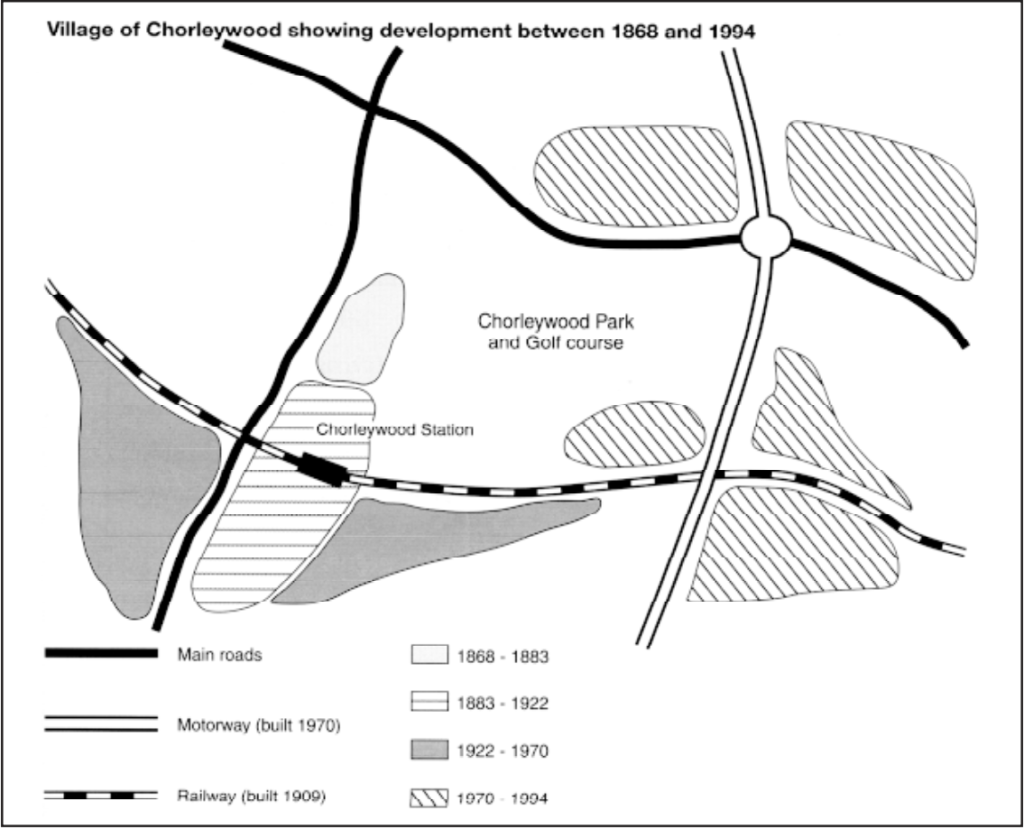
      • Chorleywood is a village near London whose population has increased steadily since the middle of the nineteenth century. The map below shows the development of the village.
      • Write a report for a university lecturer describing the development of the village.
    • You should write at least 150 words.

    WRITING TASK 2

    • You should spend about 40 minutes on this task.
    • Present a written argument or case to an educated reader with no specialist knowledge of the following topic
      • The idea of having a single career is becoming an old fashioned one. The new fashion mil be to have several careers or ways of earning money and further education will be something that continues throughout life.
    • You should write at least 250 words.
    • Use your own ideas, knowledge and experience and support your arguments with examples and relevant evidence.
  • Cambridge IELTS 1 Listening Test 4

    Section 1Questions 1-12

    Questions 1-5

    Circle the appropriate letter

    1. Where is the administration building?
    1. How many people are waiting in the queue?
      1. 50
      2. 100
      3. 200
      4. 300
    2. What does the woman order for lunch?
    1. What does the woman order to drink?
    1. How much money does the woman give the man?
      1. $2.00
      2. $3.00
      3. $3.50
      4. $5.00
    Questions 6-10

    Complete the registration form using NO MORE THAN THREE WORDS.

    Name of student:(6) ………………………………………………………………..
    Address:(7) Flat 5/ ………………………………………………………
    Town:(8) ………………………………………………………………..
    Tel:(9) ………………………………………………………………..
    Course:(10) ………………………………………………………………
    Questions 11-12

    11. What did the man buy for her to eat?

    1. What must the students do as part of registration at the university?
      1. Check the notice board in the Law Faculty
      2. Find out about lectures
      3. Organise tutorial groups
      4. Pay the union fees

    SECTION 2Questions 13- 21

    Complete the notes below using NO MORE THAN THREE WORDS for each answer.

    Student Banking

    Recommended BanksLocation
    BarclaysRealty Square
    National WestminsterExample: Preston Park
    LloydsCity Plaza
    Midland(13) ………………………………………………..
    Note: May not be allowed all facilities given to resident students.

    Funding

    • Must provide (14) ……………………………… I can support myself.

    • Services will depend on personal circumstances and discretion of Bank Manager.

    Opening an account

    • Take with me: (15) ……………………………… and letter of enrolment.

    • Recommended account: (16) …………………………………………………

    • Bank supplies: (17) ………………………….. and chequecard which guaranteescheques.

    Other services

    • Cashcard: (you can (18) ………………………………… cash at any time.)

    • Switch/Delta cards: (take the money (19) …………………….. the account.)

    Overdraft

    • Must have (20) …………………………………………….

    •Sometimes must pay interest.

    Opening times

    • Most banks open until (21) ……………………………….. during the week.

    • Some open for a limited time on Saturdays

    SECTION 3Questions 22 – 31

    Questions 22-25

    Complete the factsheet.

    Write NO MORE THAN THREE WORDS for each answer.

    FACTSHEET – Aluminium Cans


    (22)……………………………………………….  produced every day in the US — more cans produced than nails or
    (23)……………………………………………….
    • each can weighs 0.48 ounces — thinner than two

    (24)……………………………………………….
    • can take more than 90 pounds of pressure per square inch — over (25)……………………………………………….  the pressure of a car tyre.

    Questions 26-31

    Label the aluminium can.

    Write NO MORE THAN THREE WORDS for each answer.

    SECTION 4Questions 32– 42

    Complete the table Write NO MORE THAN THREE WORDS for each answer

    Purpose of the mini lecture

    To experience To find out about (32) …………………………………………….. (33)………………………………………………….

    The three strands of Sports Studies are:

    a
    b
    c
    a
    Sports psychology
    Sports (34) ……………………………………….
    Sports physiology
    The psychologists work with
    aThe psychologists work with (35)…………………………………………………………….

    They want to discover what (36)…………………………………………………………….
    bSports marketing looks at (37)…………………………………………………………….
    Sport now competes with (38)…………………………………………………………….
    Spectators want (39)…………………………………………………………….
    cSports physiology is also known as
    (40) ………………………………………………………….
    Macro levels look at (41) ………………………………………………………….
    Micro level looks at (42) ………………………………………………………….

    Answer Notes:
    ( ): Answer between parenthesis is optional. Example> 21. A lot (of people)
    / : Another possible answer. Example> 22. A lot of people / Too many people

    Section 1 Answers Cambridge 1 Listening Test 4
    1. C
    2. A
    3. B
    4. D
    5. D
    6. Julia Perkins (must be correct spelling with capital letters)
    7. 15 Waratah Road (must be correct spelling of Waratah with capital letter)
    8. Brisbane (must have capital letter)
    9. to be advised / not connected / no phone / none (blank not acceptable)
    10. first year law (must have all three words)
    11. C
    12. D
    Section 2 Answers Cambridge 1 Listening Test 4
    1. C
    2. D
    3. hope street (must have capitals)
    4. evidence
    5. passport
    6. current (account) / student (account)
    7. chequebook
    8. withdraw / draw (out) / take out
    9. directly from / right out of
    10. permission of bank / permission from bank
    11. 4.30 pm or / to 5 pm
    Section 3 Answers Cambridge 1 Listening Test 4
    1. 300 million
    2. paper clips
    3. magazine pages / pieces of paper / pages
    4. three times
    5. thicker
    6. label
    7. (a) dome
    8. flange (correct spelling)
    9. 25%
    10. scored opening
    Section 4 Answers Cambridge 1 Listening Test 4
    1. university lecture
    2. sports studies (programme)
    3. management
    4. top athletes
    5. makes winners / makes them / people win
    6. market forces
    7. (other) leisure activities
    8. entertainment / to be entertained
    9. exercise science
    10. fitness testing / body measurements
    11. cellular research / cellular change / body cells
  • Cambridge IELTS 1 Listening Test 3

    Section 1Questions 1-12

    Questions 1-4

    Circle the appropriate letter

    Example

    How does the woman travel every day?

    A by car
    B by bus
    C on foot Answer
    D by train
    1. What are the parking regulations on campus?
      1. undergraduate parking allowed
      2. postgraduate parking allowed
      3. staff parking only allowed
      4. no student parking allowed
    2. The administration office is in
      1. Block B.
      2. Block D.
      3. Block E.
      4. Block G.
    3. If you do not have a parking sticker, the following action will be taken:
      1. wheel clamp your car.
      2. fine only.
      3. tow away your car and fine.
      4. tow away your car only.

    4. Which picture shows the correct location of the Administration office?

    Questions 5-10

    Complete the application form using NO MORE THAN THREE WORDS

    Application for parking sticker

    Name: (5)…………………………………………..
    Address: Flat 13 (6)…………………………………………..
    Suburb: (7)…………………………………………..
    Faculty: (8)…………………………………………..
    Registration Number: (9)…………………………………………..
    Make of car: (10)…………………………………………..

    Questions 11 and 12
    1. Cashier’s office opens at
      1. 12.15
      2. 2.00
      3. 2.15
      4. 4.30

    12. Where must the sticker be displayed?

    …………………………………………..

    SECTION 2Questions 13- 23

    Complete the notes below using NO MORE THAN THREE WORDS for each answer.

    Date the museum was opened(13)
    The museum consists of a building and(14)
    Handicapped toilet door showsExample: a weelchair
    The Education Centre is signposted by(15)
    If you lose your friends, meet at the(16)
    Warning about The Vampire(17)
    How often are the tours of The Vampire?(18)
    Person featured in today’s video(19)
    The Leisure Gallery shows how Australian culture is influenced by(20)
    The Picture Gallery contains pictures by(21)
    Cost of family membership of the museum(22)
    “Passengers and the Sea” includes a collection of(23)

    SECTION 3Questions 24 – 32

    Questions 24-27

    Circle the correct answer.

    1. Mark is going to talk briefly about
      1. marketing new products.
      2. pricing strategies.
      3. managing large companies.
      4. setting sales targets.
    2. According to Susan, air fares are lowest when they
      1. include weekend travel.
      2. are booked well in advance.
      3. are non-refundable.
      4. are for business travel only.
    3. Mark thinks revenue management is
      1. interesting.
      2. complicated.
      3. time-consuming.
      4. reasonable.
    4. The airline companies want to
      1. increase profits.
      2. benefit the passenger.
      3. sell cheap seats.
      4. improve the service.
    Questions 28-32

    Complete the notes using NO MORE THAN THREE WORDS for each answer

    Two reasons for the new approach to pricing are:

    (28) ……………………………………………………………….. and

    (29) ……………………………………………………………….. .

    In future people will be able to book airline tickets (30) …………………………………………… .

    Also being marketed m this way are (31) …………………………………………………… and

    (32) ……………………………………………………….. .

    SECTION 4Questions 33– 42

    Questions 33-37

    Complete the table Write NO MORE THAN THREE WORDS for each answer

    SPACE MANAGEMENT

    RESEARCH METHODINFORMATION PROVIDED
    Questionnaireswhat customers think about(33) …………………………………………………
    (34) ……………………………………..how customers move around supermarket aisles
    Eye movement (35) ……………………………………..the most eye-catching areas of the shop
    Computer programs e.g. (36) ……………………………….the best (37) …………………………………. for an article in the shop
    Questions 38-42

    Label the cliagiam Wiite NO MORE THAN THREE WORDS for each anmer

    A SUPERMARKET AISLE

    Answer Notes:
    ( ): Answer between parenthesis is optional. Example> 21. A lot (of people)
    / : Another possible answer. Example> 22. A lot of people / Too many people

    Section 1 Answers Cambridge 1 Listening Test 3
    1. B
    2. D
    3. C
    4. A
    5. Richard Lee (must have correct spelling of“Lee “ and capitals)
    6. 30 Enmore road (must have correct spelling and capitals)
    7. Newport (must have correct spelling and capital “N”)
    8. architecture
    9. LJX058K
    10. Ford
    11. C
    12. (on the) (front) window / windscreen
    Section 2 Answers Cambridge 1 Listening Test 3
    1. November 1991
    2. (historic) ships
    3. green arrows
    4. information desk
    5. stairs to climb / lots of stairs
    6. every hour
    7. captain cook
    8. the sea
    9. Australian artists / painters
    10. $70
    11. souvenirs
    Section 3 Answers Cambridge 1 Listening Test 3
    1. B
    2. C
    3. D
    4. A
    5. law has changed / law changes / changes in law
    6. (powerful) computer programs
    7. from home (computer)
    8. hotels / hotel beds / rooms
    9. hire cars
    Section 4 Answers Cambridge 1 Listening Test 3
    1. displays / products / displays and products
    2. (hidden) TV cameras
    3. recorder / recording
    4. “Spaceman”
    5. position / shelf / spot / place
    6. walk (straight / right) past / ignore / pass
    7. at eye level / near customers’ eyes
    8. hotspots
    9. special offers
    10. chocolates